
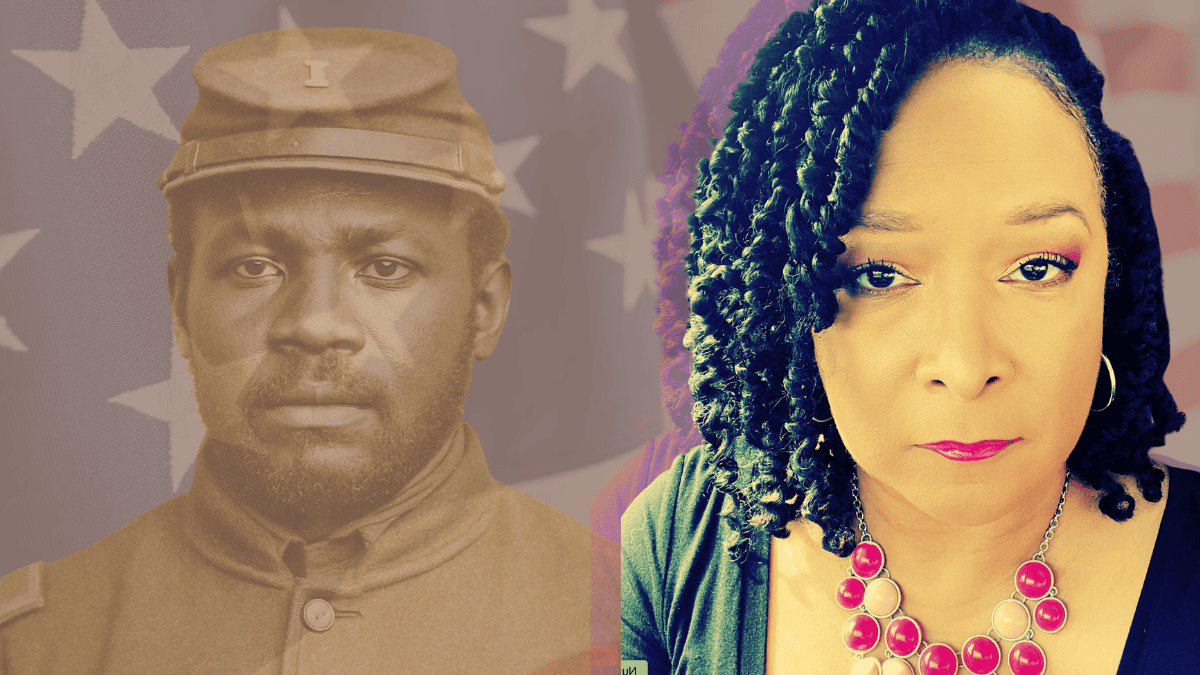
If you’ve been following me on YouTube, you’ve noticed I’ve shifted gears lately. I’ve been completely fascinated with genealogy — not just as a hobby, but as a spiritual and emotional journey. I’ve come to see why genealogy is important to my healing grief process. You see, tracing my ancestors has done more than satisfy my curiosity; it’s helped me heal.
When I first started researching my family, I thought I was simply learning how to write genealogy family history — collecting dates, building trees, and piecing together timelines. But what I discovered was something deeper. Each record felt like a window into God’s faithfulness. Each ancestor’s life told a story about endurance, courage, and grace.
It started with me talking about Colonel Wiley Pope, my fourth maternal great-grandfather. He married a slave woman and had several children with her. Their marriage lasted many years.
You can read about this unbelievable story here. It’s wild.

Why Genealogy Is Important — More Than You Think
For me, the question “Why is genealogy important?” isn’t academic anymore. It’s personal.
Genealogy has helped me make sense of my own story — especially during seasons of grief and loss. It reminded me that God’s hand has been guiding my family line long before I ever existed. The struggles, triumphs, and even tragedies of my ancestors are threads in the larger tapestry of His plan.
The Story of William Mills
One of the ancestors who touched me deeply is William Mills, a man whose life was marked by tragedy and perseverance. While researching my lineage, I found a newspaper article from July 3, 1891, in The St. Louis Globe-Democrat.
It told the story of two young girls — Caroline and Rebecca Mills — daughters of William and Priscilla Mills, who drowned while gathering wood near Fowler’s Packing House in Kansas City, Kansas.
Reading that story broke my heart.

I sat in silence, imagining their mother waiting and praying, unaware of what had happened.
The grief in that home must have been unbearable.
It reminded me of my own grief.
Yet somehow, the Mills family kept going. They lived, worked, and built new lives in Quindaro — a place where formerly enslaved people and abolitionists forged a hopeful community.
In that resilience, I saw faith. In that sorrow, I saw endurance. And in their story, I saw evidence that God was near to the brokenhearted, just as Psalm 34:18 promises.
How to Write Genealogy Family History That Honors Faith and Emotion
When I started writing about my ancestors, I wanted to do more than list facts. I wanted to honor their humanity and faith.
Through the process, I’ve learned a few things about how to write genealogy family history in a way that touches hearts — not just minds.
Start with the emotion, not the data.
When you find a record or document, pause. Ask yourself what life must have felt like for that person. What were they enduring? What did they believe God was doing in their story?
Let faith guide your storytelling.
For Christian genealogists, faith is the bridge between history and healing. As you write, let scripture, reflection, and gratitude shape your words.
Include your own response.
You’re part of the story too. When I wrote about William Mills, I wasn’t just writing about him — I was writing about how his life helped me process my own pain. That connection is what transforms genealogy from research into ministry.
What William’s Story Taught Me
William’s story reminded me that every generation has its own battle to fight — and its own evidence of God’s hand. His loss, though devastating, didn’t end the story.
His descendants went on to live, love, and build families of faith — mine included.
That’s why genealogy matters so much. It’s not just about where we come from; it’s about what we carry forward.
Sometimes, I think God allows us to uncover our roots to remind us we’ve always been part of His bigger plan.
When we ask, “Why is genealogy important?”, maybe the answer is this: because it shows us God’s consistency -the same yesterday, today, and forever.
Three Gentle Reflections for Your Own Family Story
If you’re starting your own genealogy journey, here are a few things to keep in mind as you write and reflect:
1. Every record has a heartbeat. Behind every name is a story of survival, faith, or love. Don’t rush past it.
2. God can use history to heal your present. The more I learned about William Mills, the more I saw my own grief differently.
3. Legacy is ministry. When you preserve your family’s story, you’re passing down a testimony of God’s faithfulness.
Looking Ahead
My journey with William Mills reminded me that genealogy isn’t just about ancestry – it’s about understanding how God has worked through generations to bring us to this very moment.
If you’ve been curious about writing your own story, I encourage you to start.
Learn how to write genealogy family history that blends your faith, emotions, and research — because your story matters too.
Include it.
Embrace it.
Embody it.
Thank you for reading and letting me express myself this way.
Be sure to subscribe, and I would love your comments.
